
For Professionals
Idaho Soil Health Network Meeting
Quarterly Meeting - Q3
September 30, 2026 | 1 PM - 2:30 PM MST | Virtual
Who’s in the Network
Partner and Member Directory
Browse organizations by region and focus area - agencies, land trusts, conservation districts, universities, non-profits, and industry.
Principles of Regenerative Agriculture
-
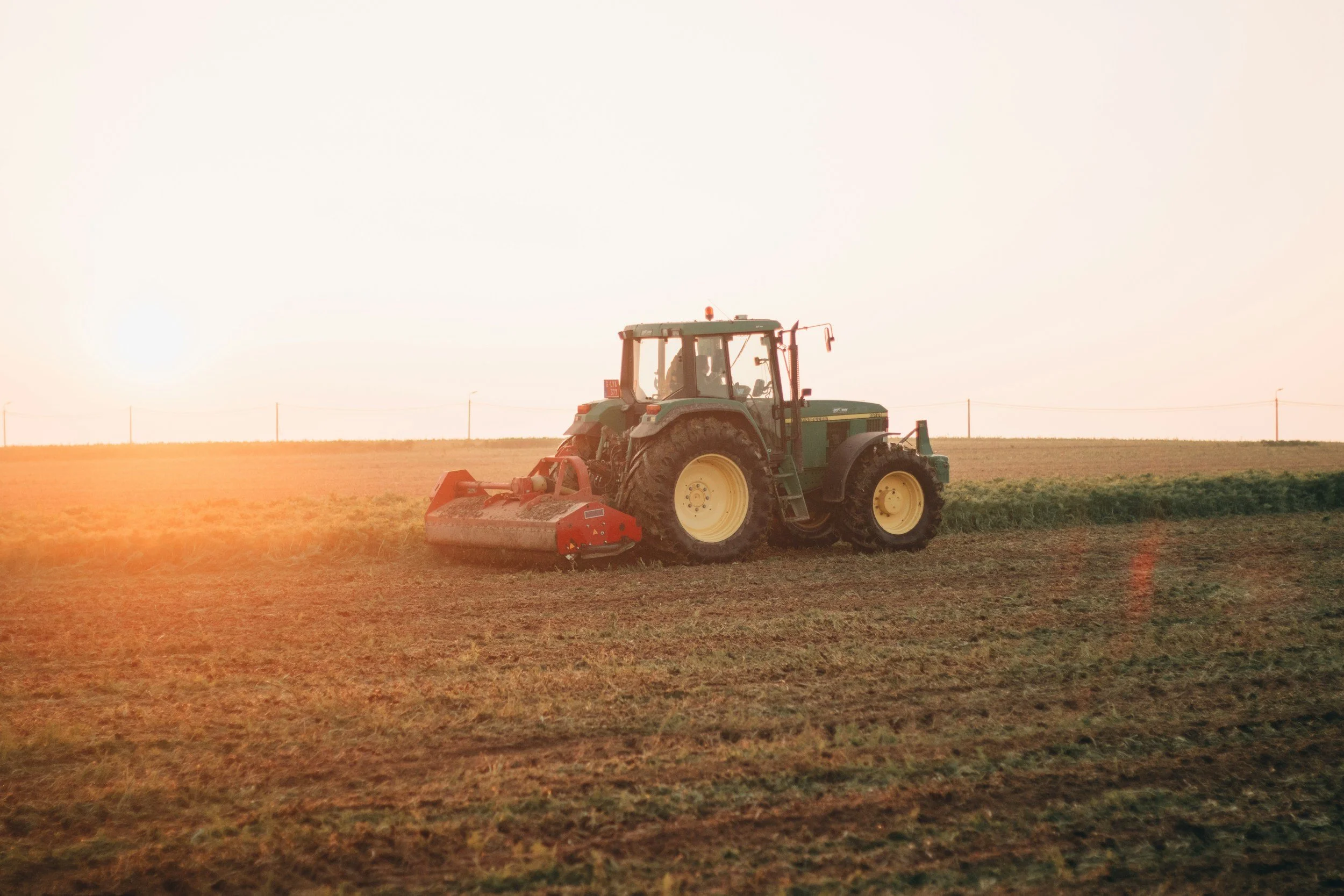
Minimize Disturbance
-
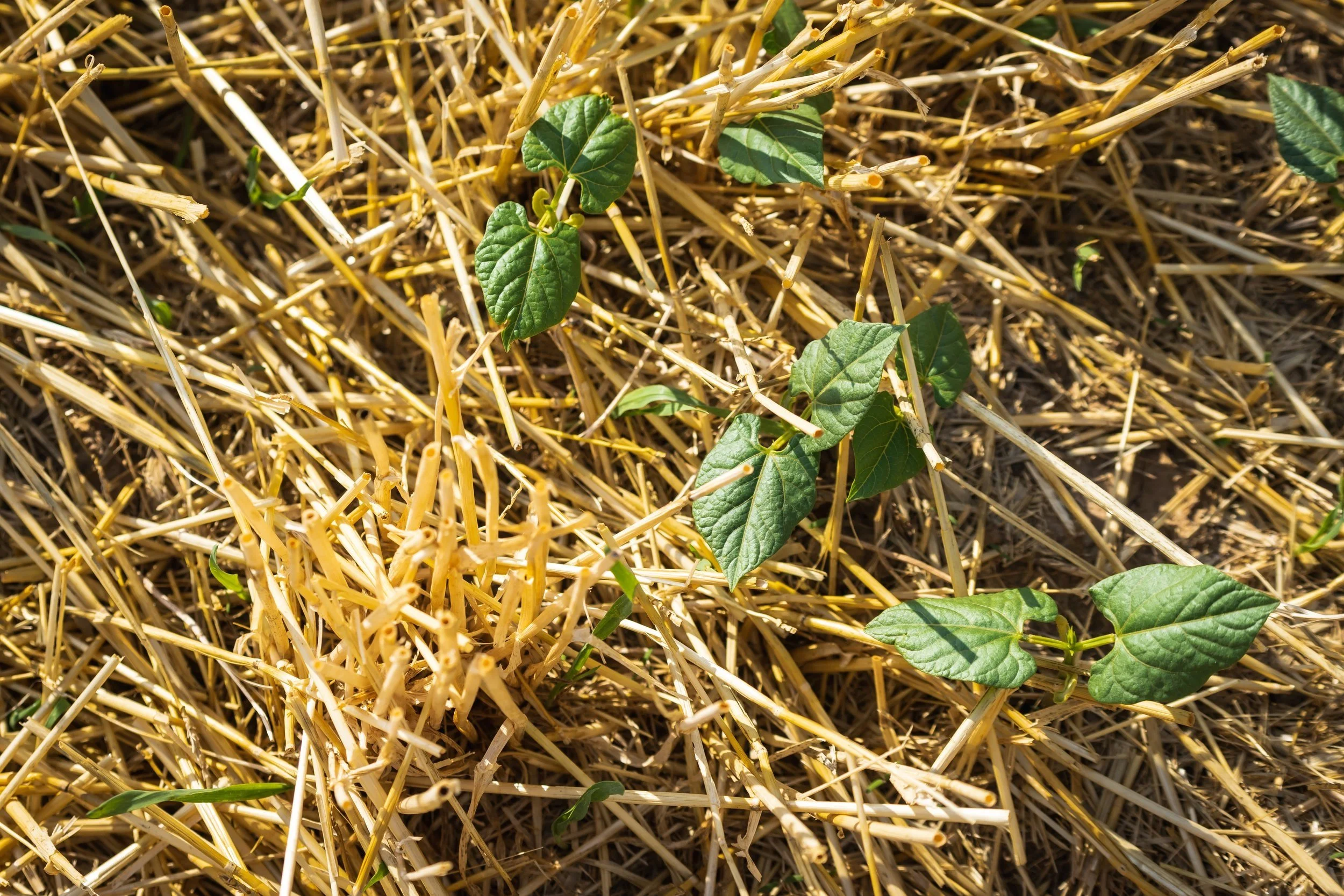
Maximize Soil Cover
-
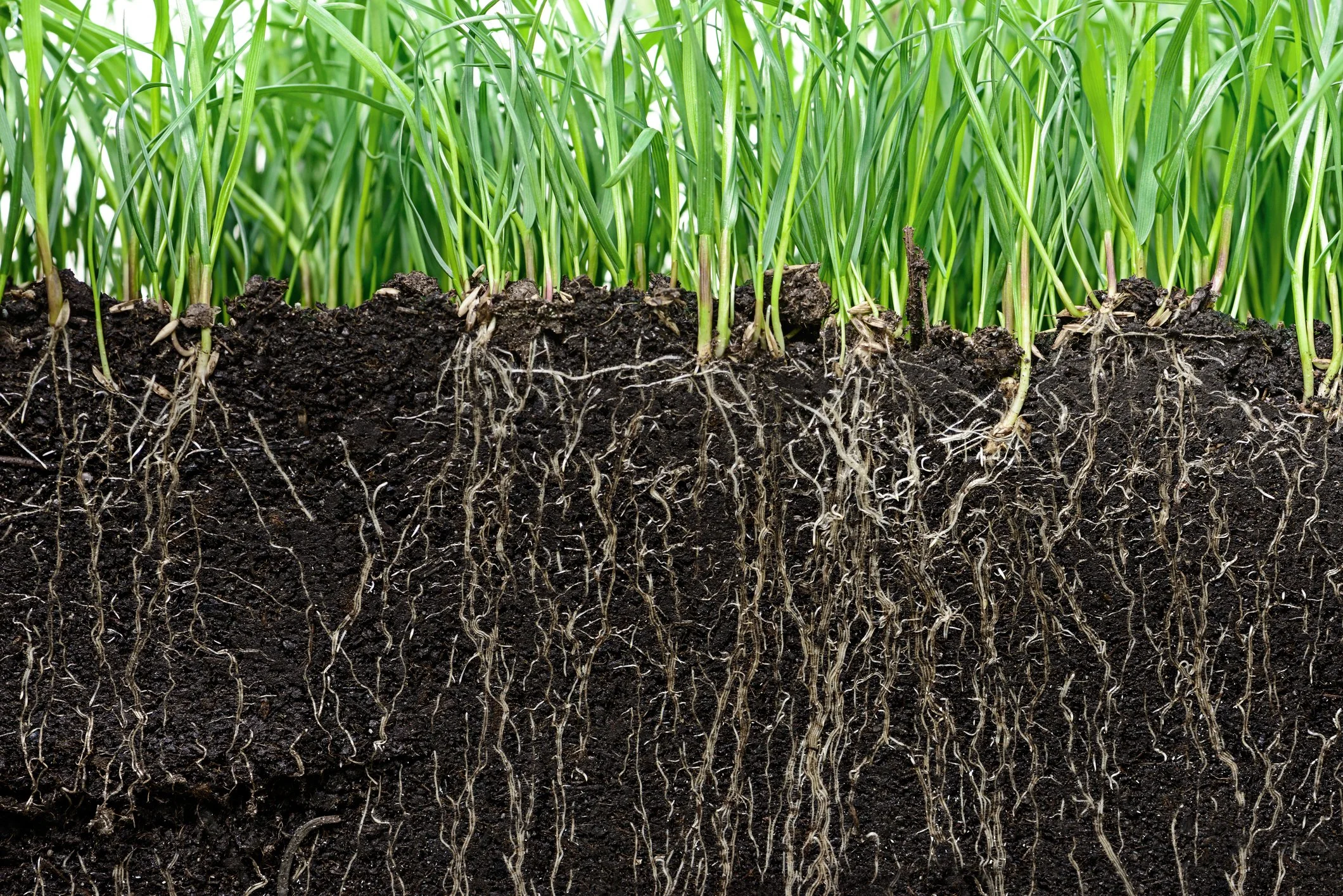
Maintain Living Roots
-
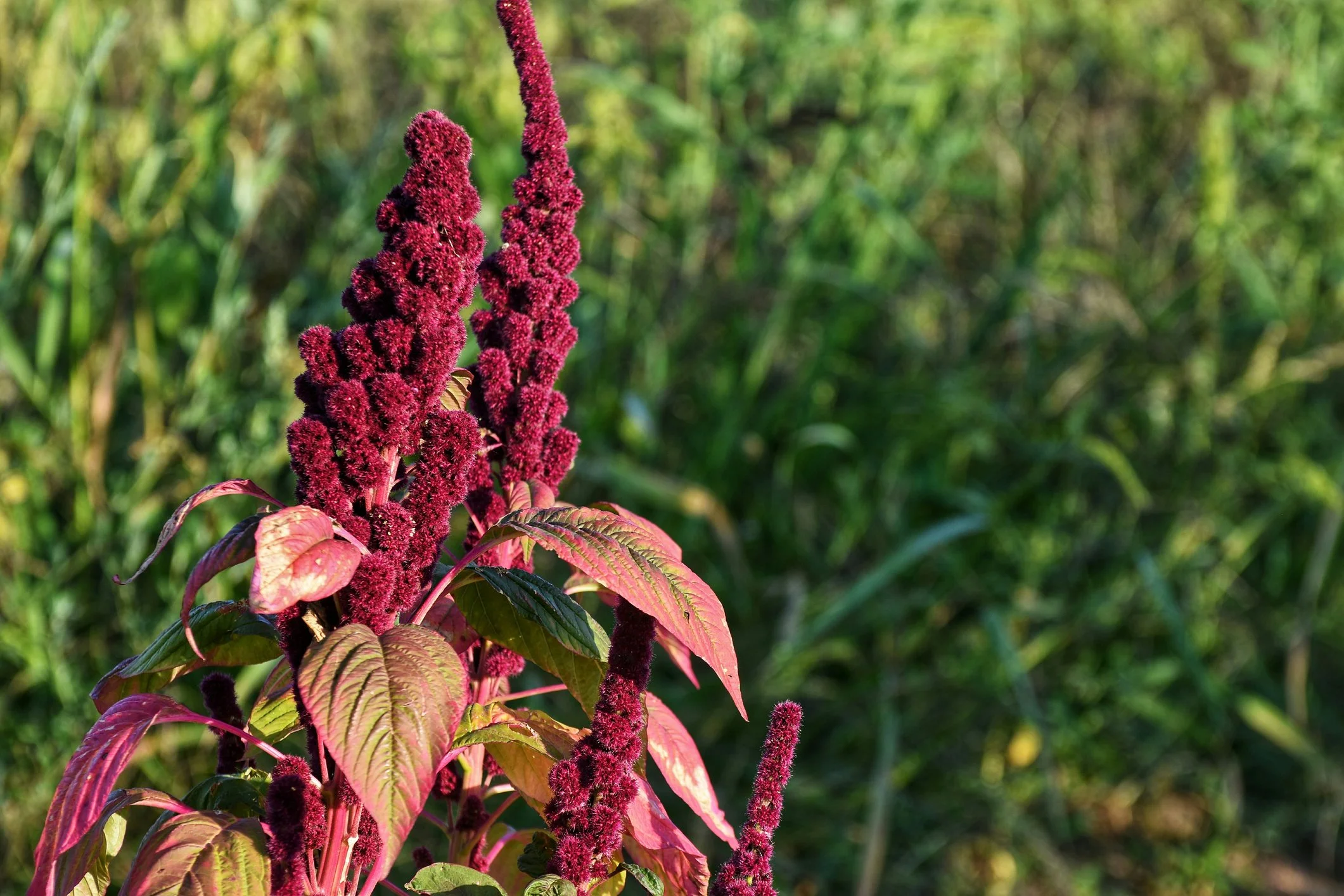
Maximize Biodiversity
-
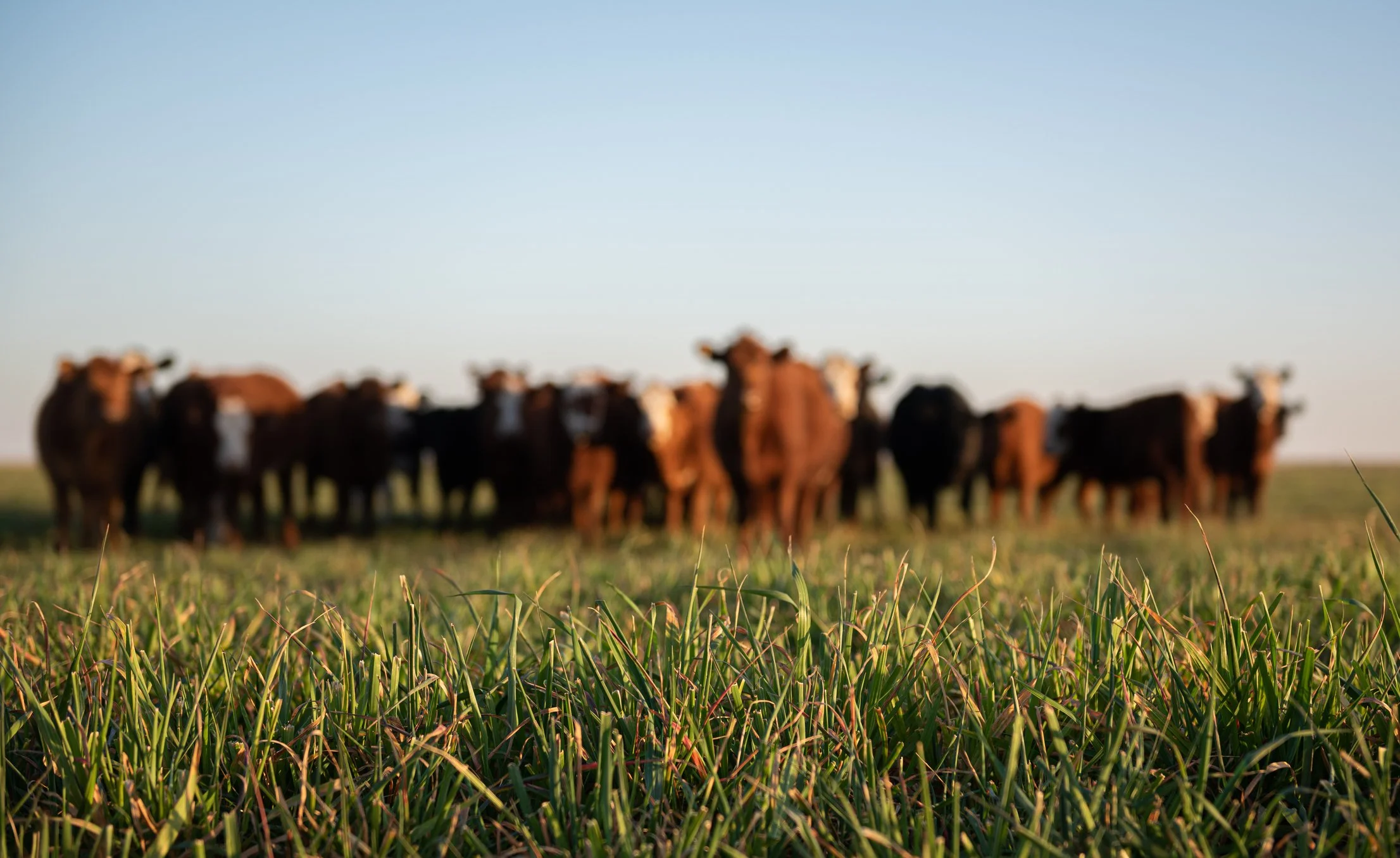
Integrate Livestock
Research Library
-
Sone et al. (2026), Journal of Applied Ecology
Published: September 17, 2026
Geography: Pullman, Washington / Palouse; University of Idaho-led research
Practice: Cover crops, crop diversity, soil microbiology, reduced disturbance
Researchers compared six individual cover crops, functional-group mixtures, and a six-species mixture, then measured soil properties, microbial communities, ecosystem multifunctionality, and the yield of subsequent winter wheat. The experiment was conducted in Pullman, Washington, under dryland conditions relevant to northern Idaho and eastern Washington. -
Tarkalson et al. (2026), Journal of Agriculture and Food Research
Published: August 6, 2026
Geography: Idaho, irrigated semiarid cropping system
Practice: Manure, nutrient management, soil microbiome, reduced synthetic fertilizer
This USDA-ARS/Idaho-focused study compared dairy manure, dairy compost and synthetic fertilizer treatments. Researchers measured crop biomass, soil biochemical properties, bacterial communities, enzyme activity and permanganate-oxidizable carbon.
-
Akter, Kayler & Arfania (2026), Plant and Soil
Published: September 10, 2026
Geography: University of Idaho research; semiarid calcareous system
Practice: Intercropping/crop diversity, deficit irrigation, nutrient-use efficiency
Researchers investigated barley-legume systems under contrasting irrigation regimes, looking specifically at phosphorus movement through the soil profile and grain phosphorus recovery.
-
Walker (2026), University of Idaho M.S. thesis
Published: August 2026
Geography: Aberdeen, Idaho
Practice: Deficit irrigation, water-use efficiency
A two-year University of Idaho study compared Clearwater Russet, Teton Russet, Russet Burbank and breeding line A12305-2adg under irrigation treatments supplying 50%, 75%, 100% and 125% of evapotranspiration, beginning 60 days after planting.